Skip to content
    Back to Blog
    Market Insights
    April 8, 202610 min read

    Seasonal Freight Rate Trends: When to Ship for the Best Rates in 2026
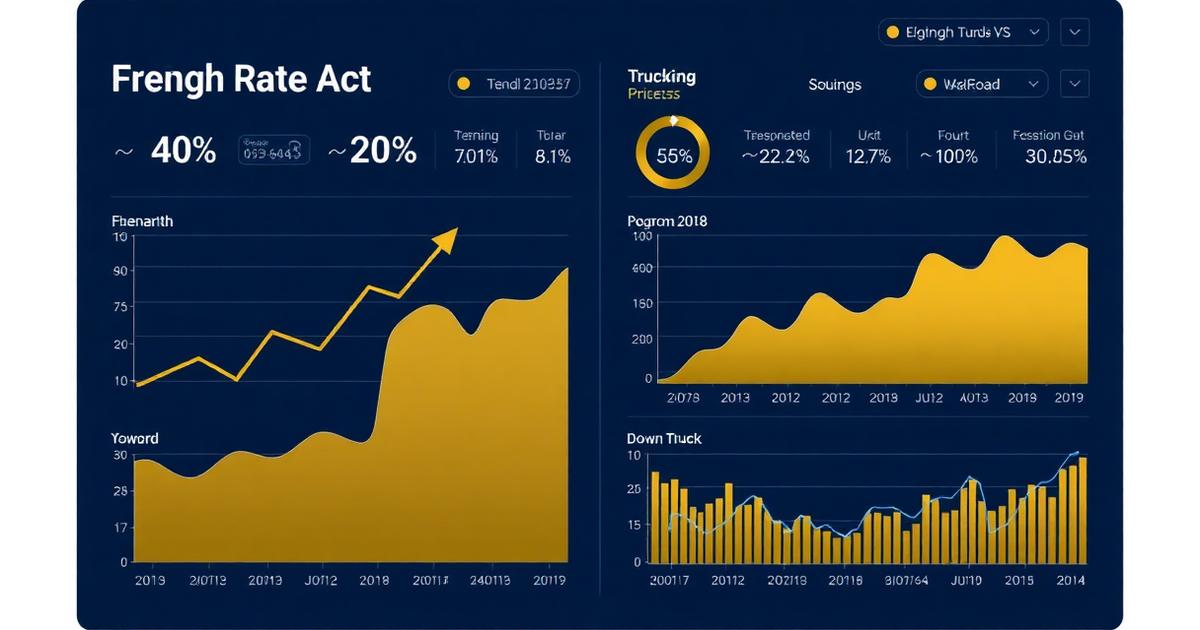
    Freight rate analytics dashboard showing seasonal trend charts

    Why Freight Rates Change Throughout the Year

    Freight rates aren't static: they move with supply and demand. When there's more freight to move than available trucks, rates go up. When capacity is abundant, rates come down. These shifts follow seasonal patterns that experienced shippers can use to their advantage.

    Quarter by Quarter: What to Expect

    Q1 (January – March): The Slow Season

  1. Rates are typically at their lowest during this period
  2. Post-holiday demand drops significantly
  3. Many carriers are available, creating a shipper-friendly market
  4. Best time to negotiate annual contracts and lock in favorable rates
  5. Weather disruptions (snow, ice) can cause temporary regional spikes, especially in the Midwest and Northeast
  6. Q2 (April – June): The Ramp-Up

  7. Rates begin climbing as spring produce season starts
  8. Construction season increases flatbed demand significantly
  9. May and June see steady rate increases as summer approaches
  10. Reefer rates rise sharply as fresh produce moves from California, Florida, and the Southeast
  11. Good time to book capacity early for summer shipments
  12. Q3 (July – September): Peak Season Begins

  13. July is often the most expensive month for reefer freight
  14. Dry van rates rise with back-to-school and early holiday inventory shipments
  15. August brings a brief dip as some produce lanes slow
  16. September marks the start of Q4 inventory build: rates accelerate
  17. Hurricane season (June–November) can disrupt Southeast and Gulf Coast lanes
  18. Q4 (October – December): The Peak

  19. October and November are typically the highest-rate months for dry van
  20. Retailers stock for Black Friday, Cyber Monday, and Christmas
  21. Carrier capacity tightens as drivers take holiday time
  22. December rates stay high through mid-month, then drop sharply the week of Christmas
  23. The period between Christmas and New Year's is a mini-dead zone with very low demand
  24. Rate Drivers Beyond Seasonality

    Fuel Prices

    Fuel surcharges are a direct pass-through cost. When diesel prices rise, your all-in rate goes up regardless of seasonal patterns. In 2026, diesel price volatility continues to be a factor. Monitor DOE weekly reports.

    Regulatory Changes

    New regulations (Hours of Service updates, emissions standards, ELD mandates) can reduce effective capacity by limiting how far or how long drivers can operate, pushing rates higher.

    Economic Conditions

  25. Consumer spending drives retail freight volume
  26. Housing starts impact flatbed demand
  27. Manufacturing output affects raw materials and finished goods lanes
  28. Inventory-to-sales ratios signal whether shippers are building or drawing down stock
  29. Produce Seasons by Region

  30. January – March: Florida, Texas, Arizona (citrus, vegetables)
  31. April – June: California, Southeast (berries, stone fruit)
  32. July – September: Midwest (sweet corn), Pacific Northwest (cherries, apples)
  33. October – November: Washington state (apples), cranberry harvest
  34. Strategies to Manage Rate Volatility

    1. Plan Ahead

    Book loads 2–3 weeks in advance during peak seasons. Last-minute spot market rates during October can be 30–50% higher than rates booked in advance.

    2. Flex Your Pickup Dates

    If you can ship a day or two earlier or later, you may access better rates. Avoid Friday pickups: they're the most expensive day of the week.

    3. Use a Mix of Contract and Spot

    Lock in base volume at contract rates for predictability, and use the spot market for overflow. A good split is 70/30 or 80/20 contract-to-spot.

    4. Build Carrier Relationships

    Carriers remember shippers who give them consistent freight during slow seasons. That goodwill pays dividends when capacity is tight and they choose who to haul for.

    5. Work With a Broker Who Watches the Market

    At Your Shipping Guy, we monitor rate trends daily and advise our customers on optimal timing. We'll tell you when to book early and when the market favors waiting.

    2026 Market Outlook

    The 2026 freight market is showing signs of gradual rate recovery after the softer conditions of late 2025. Key trends:

  35. Carrier exits in 2025 reduced capacity, supporting higher rates in 2026
  36. Consumer spending remains resilient, keeping retail freight volumes stable
  37. Infrastructure projects from federal funding are driving flatbed demand
  38. Cross-border trade with Mexico continues to grow, tightening border lanes
  39. The best strategy? Stay informed, plan ahead, and work with a broker who knows the market.

    Need a freight quote?

    Get competitive FTL rates in minutes.

    Get Your Rate