FTL vs LTL Shipping: Which Is Right for Your Business?
What Is FTL Shipping?
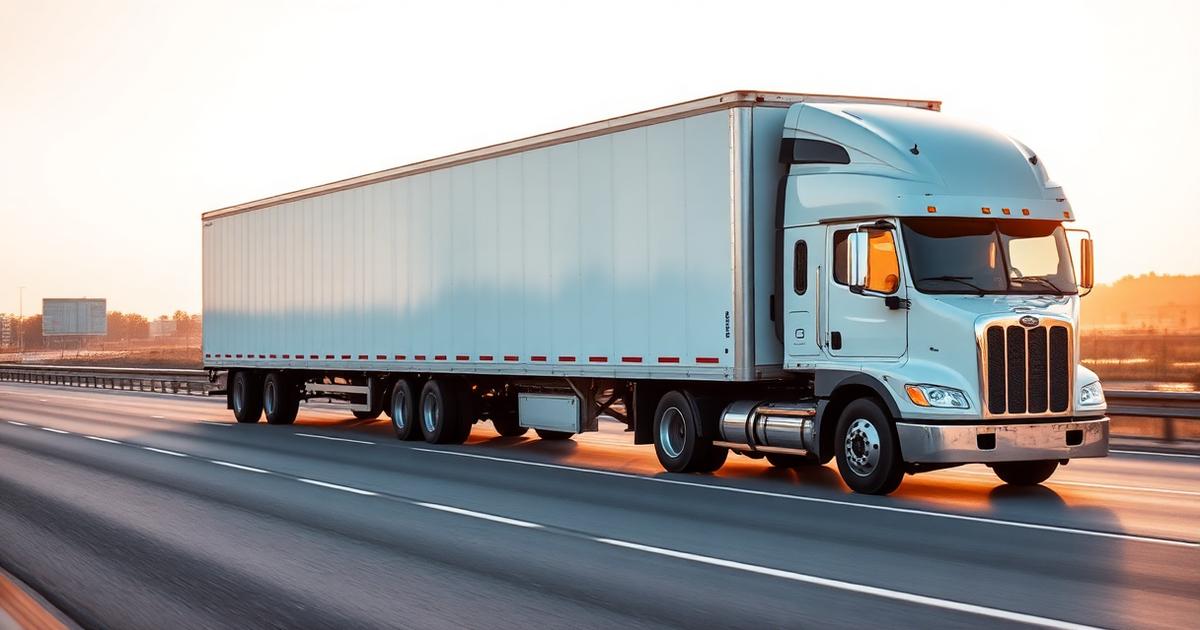
Full Truckload (FTL) shipping means your freight occupies an entire trailer, typically 48 or 53 feet. You're paying for the whole truck whether it's completely full or not. FTL is ideal when you have enough cargo to fill a trailer, usually 10,000 lbs or more, or when your freight requires dedicated handling.
Advantages of FTL
What Is LTL Shipping?
Less-Than-Truckload (LTL) shipping consolidates freight from multiple shippers onto one trailer. You only pay for the space your cargo occupies, making it economical for smaller shipments, typically under 10,000 lbs.
Advantages of LTL
When to Choose FTL Over LTL
Consider FTL when:
The Bottom Line
For most shippers moving significant freight volumes, FTL offers the best combination of speed, safety, and value. Working with an experienced freight broker like Your Shipping Guy ensures you get the right equipment at competitive rates, whether that's dry van, reefer, flatbed, or specialized trailers.
Ready to compare rates? Get a free quote today.