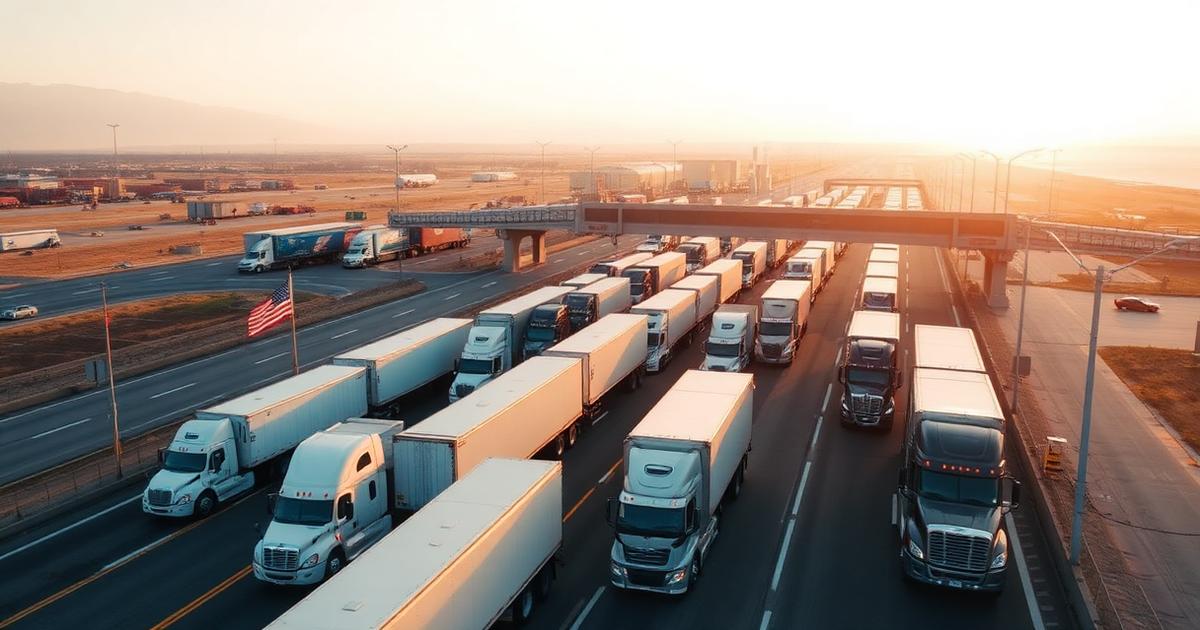
Why Cross-Border Freight Is Different
Shipping freight across international borders involves more than just finding a truck. You're dealing with customs clearance, trade regulations, documentation requirements, and potential delays that don't exist with domestic shipments. Understanding these factors is essential to keeping your supply chain moving.
Shipping to Canada
USMCA (Formerly NAFTA)
The United States-Mexico-Canada Agreement (USMCA) governs trade between the three countries. Key benefits:
Reduced or zero tariffs on qualifying goodsRules of origin determine eligibility: your product must meet specific North American content requirementsCertificate of Origin is required to claim preferential tariff treatmentRequired Documentation
Commercial Invoice: describes goods, value, and terms of saleBill of Lading: shipping contract between shipper and carrierCanada Customs Invoice: required for goods valued over CAD $2,500USMCA Certificate of Origin: for tariff preference claimsPacking list: itemized contents of the shipmentCanadian Customs (CBSA)
Canada's Canada Border Services Agency (CBSA) processes imports. Key considerations:
Goods must be classified using the Harmonized System (HS) codeGST/HST may apply at the borderSome goods require import permits (food, hazardous materials, etc.)Pre-arrival processing can speed up border crossingShipping to Mexico
Key Differences from Canada
Customs broker is mandatory for importing into MexicoPedimento (customs declaration) is required for all importsMexican NOM standards may require product certificationsIn-bond transit requires separate documentationRequired Documentation
Commercial Invoice (in Spanish is recommended)Bill of LadingPacking listUSMCA Certificate of OriginPedimento: prepared by your Mexican customs brokerCarta Porte: required for ground transportation within Mexico since 2022Border Crossing Considerations
Laredo, TX is the busiest US-Mexico trade crossing, handling ~40% of all cross-border truck freightNogales, AZ is the primary crossing for produce and perishablesEl Paso, TX / Ciudad Juárez handles significant manufacturing freightBorder wait times can range from 1–8 hours depending on the crossing and time of dayCross-Border Carrier Requirements
Not every carrier can cross the border. Requirements include:
C-TPAT certification (Customs-Trade Partnership Against Terrorism), preferred for faster processingFAST card (Free and Secure Trade), for pre-approved driversProper insurance covering international transitOperating authority valid for cross-border operationsCost Factors for Cross-Border Shipments
Expect higher costs compared to domestic shipping:
Customs brokerage fees: typically